
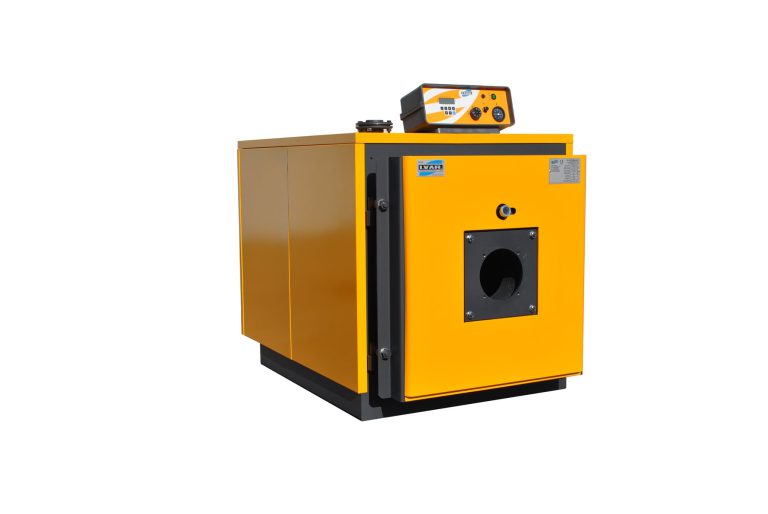
Boilers and steam generators
IVAR and Robur hot water, superheated water and thermal oil boilers and steam generators, from 34 kW to over 10 MW.
- Heating capacity
- 34 – 10.560 kW
- Manufacturers
- IVAR and Robur
Technology
The basic principles of condensing explained, and how condensing boilers work.
Condensation is the physical process in which a substance changes from a gas to a liquid. This change of phase releases a certain amount of energy known as “latent heat”. The change from gas to liquid depends, among other factors, on pressure and temperature.
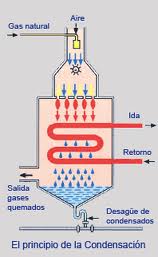
At a given temperature, condensation releases energy. The liquid state is therefore more favourable from an energy point of view.
The condensing technique forces the flue gases to condense, so the latent energy in the water vapour is recovered and turned into sensible heat.
Flue losses through the combustion gas outlet system are also considerably reduced.
During combustion, the combustible components of natural gas or diesel oil (hydrocarbons) react with the oxygen in the air, forming carbon dioxide (CO2), water vapour (H2O) and heat.
The latent heat contained in the flue gases is released when the water vapour produced during combustion condenses, and is transferred to the boiler water.
Condensation usually occurs when a gas is cooled to its dew point. However, this point can also be reached by changing the pressure.
Condensing boilers recover part of the latent heat in the water vapour of the flue gases produced during combustion, causing condensation in one area of the combustion chamber.
The main characteristics of condensing boilers are:
The theoretical energy efficiency can reach 109 % of the net calorific value (NCV):
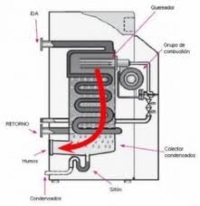
To reduce losses, it is very important for the boiler to work with as little excess air as possible (reducing flue losses) and with a wide modulation range (reducing standby losses).
A typical excess air ratio in natural gas condensing boilers is 1.3, while the modulation range is usually 1:4 (maximum output : minimum output).
Combustion air control and output modulation are achieved with variable-speed fans.
Heat transfer begins in the combustion chamber by radiation to the walls and through them by conduction. There is also convection from the chamber walls to the water.
Once they leave the combustion chamber, the combustion products give off heat to the boiler water. As the flue gases move on, their temperature falls until it reaches the dew point and condensation begins; the condensate must be able to flow and drain away.
Finally, the flue gases are discharged at temperatures of between 30 and 100 ºC. These low temperatures sometimes require the fan to provide pressure to overcome the flue, as the available draught may be insufficient.
It must also be borne in mind that, given the low flue gas temperature, condensation may continue as the gases are discharged, so the flues must be made of materials that can withstand the condensate.
Equipment
IVAR and Robur hot water, superheated water and thermal oil boilers and steam generators, from 34 kW to over 10 MW.
Projects
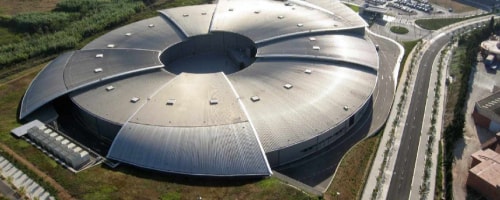
ST4 district heating & cooling with Thermax absorption chillers at Alba Technology Park, Cerdanyola del Vallès, Barcelona
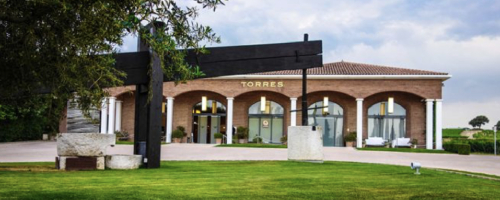
Cooling with a biomass steam boiler and a Thermax absorption chiller at Bodegas Miguel Torres
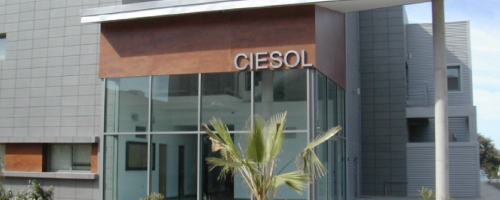
Solar HVAC system with an absorption chiller in the CIESOL building at the University of Almería
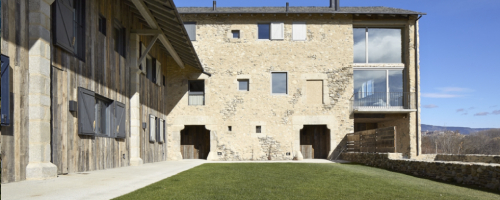
La Ventajola housing development (La Cerdanya). Gas-fired ground-source heat pumps for heating and DHW.
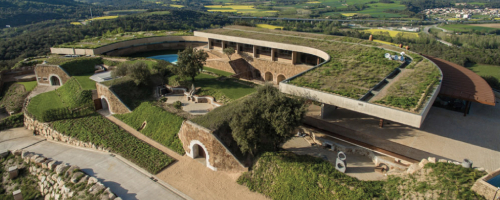
HVAC system with an AISIN GHP gas heat pump at Hotel Sant Metges in Sant Julià de Ramis (Girona)
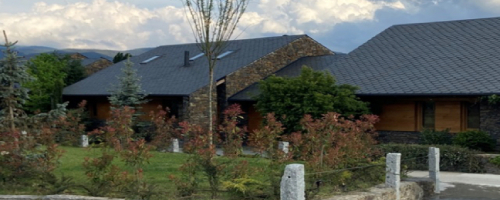
District heating with ROBUR air-source gas heat pumps on the Mas Sallent estate
We'll help you compare absorption, compression and cogeneration based on the energy available and the demand.